
Are hair extensions secretly causing hair loss, or is that just another beauty myth?
Hair extensions have become one of the most popular ways to add length, volume, and versatility without waiting months or even years for natural hair growth. Whether you’re looking for a dramatic transformation, extra fullness, or simply a confidence boost, extensions offer an effective way to achieve your desired look.
Yet despite their popularity, hair extensions remain surrounded by misconceptions. Some people believe they inevitably cause hair loss, while others assume they’re unsuitable for fine hair or require little maintenance. These myths can make it difficult to separate fact from fiction and leave potential users feeling uncertain about whether extensions are the right choice.
The truth is that hair extensions are neither miracle products nor guaranteed hair destroyers. Their effects depend largely on the type of extensions you choose, how they’re applied, and how well they’re cared for. Understanding the facts can help you make informed decisions that support both your style goals and the health of your natural hair.
Let’s explore some of the most common myths about hair extensions and uncover what’s really true.
1. Myth: Hair Extensions Always Cause Hair Loss
Fact: When properly applied and maintained, hair extensions should not cause hair loss.
This is by far the most common concern people have when considering hair extensions.
The belief that all hair extensions automatically damage your hair simply isn’t true. Millions of people wear extensions safely every year without experiencing significant hair loss or long-term damage.
However, this myth didn’t appear out of nowhere. Hair loss can occur in some situations, but it’s usually linked to improper application, excessive tension, poor maintenance, or wearing extensions for too long without adjustments.
One of the most commonly discussed risks is traction alopecia, a type of hair loss caused by consistent pulling on the hair follicles. This can happen when extensions are installed too tightly, are too heavy for the natural hair, or place continuous strain on the scalp.
The key issue isn’t necessarily the extensions themselves but how they’re used.
A qualified stylist will evaluate your hair type, choose an appropriate extension method, and ensure that the extensions aren’t applying excessive tension. Following recommended maintenance schedules and giving your natural hair time to recover between installations can further reduce the risk.
It’s also important to listen to your scalp. If your extensions feel painfully tight, cause headaches, or create discomfort around the hairline, these may be signs that adjustments are needed.
Ultimately, properly fitted and well-maintained extensions are unlikely to cause hair loss. The real danger comes from poor installation practices and neglecting the health of your natural hair.
2. Myth: Hair Extensions Stop Your Natural Hair From Growing
Fact: Hair extensions do not stop hair growth.
Many people assume that because extensions are attached to natural hair, they somehow interfere with the hair growth process. Fortunately, that’s not how hair growth works.
Hair grows from follicles beneath the scalp. As long as those follicles remain healthy, your hair will continue to grow whether you’re wearing extensions or not.
The confusion often comes from breakage. If extensions are applied incorrectly, neglected, or create excessive tension, they can contribute to hair breakage. When hair breaks at the ends, it may seem as though it isn’t growing because length is being lost as quickly as it’s gained.
In reality, the issue isn’t growth, it’s retention.
Many people are surprised to learn that their natural hair continues growing underneath their extensions. In some cases, extensions can even help people retain length by reducing daily manipulation and excessive styling. The important thing is ensuring that the extensions are not creating stress that leads to breakage.
Healthy hair growth depends on factors such as genetics, overall health, nutrition, and scalp condition, not whether or not you wear extensions.
3. Myth: People With Thin or Thinning Hair Can’t Wear Hair Extensions
Fact: Many people with fine or thinning hair can wear extensions successfully when the right method is chosen.
It’s easy to understand where this myth comes from. If your hair already feels delicate or lacks volume, the idea of attaching additional hair may seem counterproductive.
In reality, many people seek extensions specifically because they want to create the appearance of thicker, fuller hair.
Today’s extension options are far more advanced than they were years ago. Certain methods are specifically designed to work with finer hair textures and distribute weight more evenly across the scalp. Lightweight options such as tape-in extensions are often recommended because they create volume without placing excessive strain on any one section of hair.
That doesn’t mean every extension method is suitable for every person.
If your hair is particularly fragile, excessively thinning, or affected by a medical condition, a professional consultation is essential before proceeding. Some extension methods may be more appropriate than others, while in certain cases extensions may not be recommended at all.
The goal should never be simply adding more hair. Instead, the focus should be on finding a solution that enhances volume while protecting the health of your existing hair.
When chosen carefully and professionally installed, extensions can be an excellent option for many individuals with fine or thinning hair.
4. Myth: All Hair Extensions Are Basically the Same
Fact: Hair extensions vary significantly in quality, material, lifespan, and application method.
One of the biggest mistakes people make is assuming that all extensions deliver the same results.
In reality, there is a tremendous difference between extension types, and understanding those differences can have a major impact on your experience.
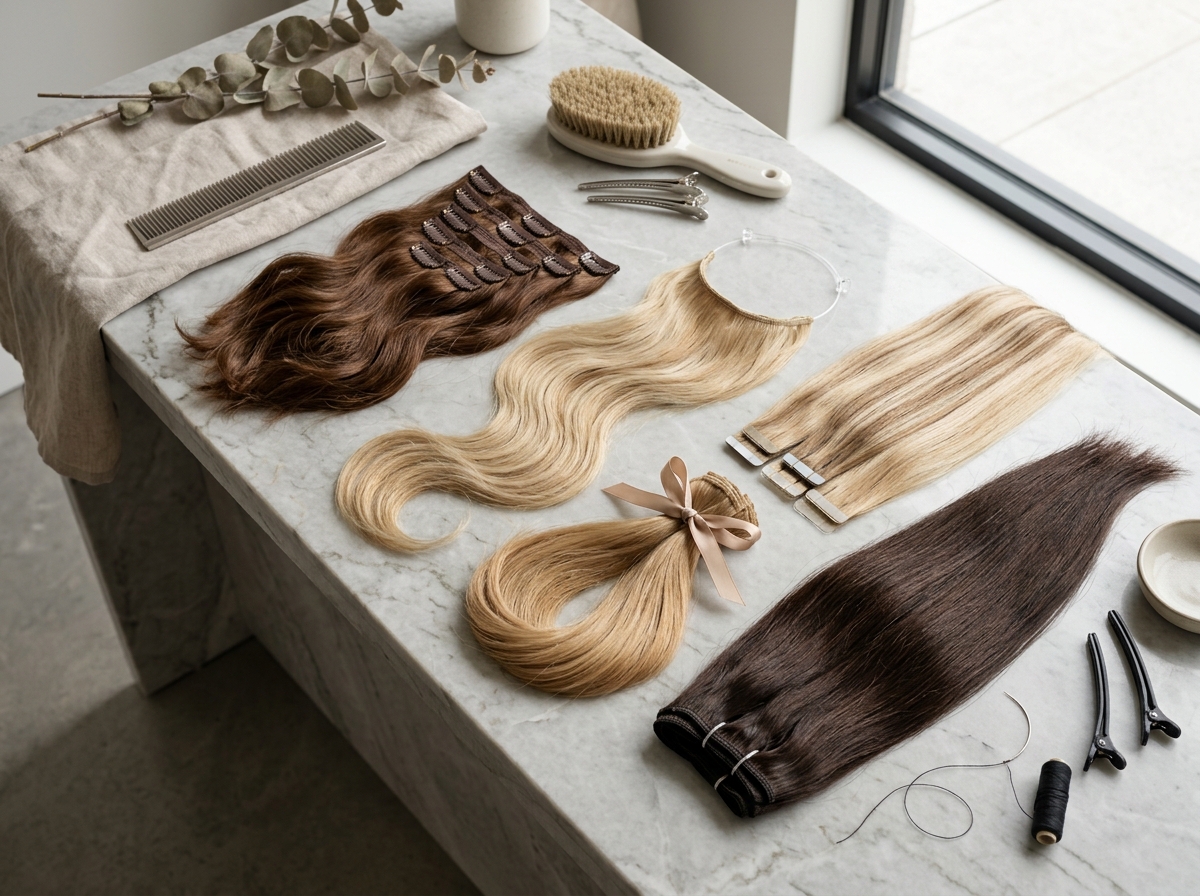
Hair extensions can be made from either synthetic fibres or human hair. Synthetic options are generally more affordable but may have limitations when it comes to styling and longevity. Human hair extensions tend to look and feel more natural, can often be heat-styled, and typically last longer with proper care.
There are also several application methods available, including:
- Clip-in extensions
- Tape-in extensions
- Sew-in extensions
- Micro-link extensions
- Fusion extensions
- Halo extensions
Each method comes with its own benefits, maintenance requirements, and suitability for different hair types.
For example, clip-ins are ideal for temporary use and special occasions. Tape-ins are often favoured for their natural appearance and lightweight feel. Halo extensions appeal to individuals looking for a non-permanent option that doesn’t attach directly to the hair.
Quality is another major factor. High-quality extensions generally blend better, shed less, tangle less frequently, and maintain their appearance for a longer period.
Rather than choosing extensions based solely on price or popularity, it’s worth taking time to consider your hair type, lifestyle, styling habits, and long-term goals.
The best extension choice is the one that works specifically for you.
Related Posts



5. Myth: Hair Extensions Require No Maintenance
Fact: Hair extensions require regular care to stay healthy, beautiful, and long-lasting.
Some people assume that once extensions are installed, they’re essentially maintenance-free. Unfortunately, that couldn’t be further from the truth.
Hair extensions require ongoing care, just like natural hair.
Neglecting maintenance can lead to tangling, matting, dryness, shedding, and unnecessary stress on your natural hair. In some cases, poor aftercare can even shorten the lifespan of otherwise high-quality extensions.
Proper extension care may include:
- Using extension-friendly shampoos and conditioners
- Brushing regularly to prevent tangles
- Avoiding excessive heat styling
- Keeping attachment points clean
- Following your stylist’s maintenance schedule
- Protecting the hair while sleeping
Many extension wearers also find that sleeping on a silk pillowcase or wrapping their hair in a silk scarf helps minimise friction and keeps extensions looking smoother for longer.
Regular salon appointments play an important role as well. Depending on the extension type, maintenance visits may be required every few weeks to reposition, tighten, refresh, or remove the extensions.
Think of extensions as an investment. The more consistently you care for them, the longer they will last and the better they will look.
Final Thoughts
Hair extensions can be an excellent way to add length, volume, and styling flexibility, but they should always be approached with realistic expectations and accurate information.
As we’ve seen, many of the most common beliefs about extensions simply aren’t true. Hair extensions do not automatically cause hair loss, they don’t stop your hair from growing, and they aren’t exclusively for people with thick hair. Likewise, not all extensions are created equal, and every type requires proper maintenance to achieve the best results.
The key to a positive experience is choosing the right extension method for your hair type, working with a qualified professional, and following a consistent aftercare routine. When these factors are in place, extensions can enhance your appearance while allowing you to maintain healthy, strong natural hair.
If you’re considering hair extensions, take the time to research your options and seek expert advice before committing to a particular method. An informed decision today can help you enjoy beautiful results and avoid unnecessary complications later.
At the end of the day, healthy hair and beautiful hair should go hand in hand. By separating myths from facts, you can enjoy the benefits of hair extensions with confidence and make choices that support both your personal style and the long-term health of your hair.

