

The summer is here, and one of the best places we have within our home to truly enjoy the sun is the garden. That’s where you go to bask in the heat, sipping on something refreshing without a care in the world. Whether you’re stretched out on a lounger or setting up for a family barbecue, your garden becomes a little oasis during the warmer months.
But with summer plans often involving friends, family, and perhaps even a spontaneous garden party or two, you’ll want to make sure your garden is looking its absolute best. After all, no one wants to be scrambling at the last minute to tidy up flower beds or clear the patio while guests are already knocking at the door.
So, let’s get your garden into top form. Here are some of the best ways to keep your garden in tip-top condition so that you can enjoy your summer in style without the last-minute stress.
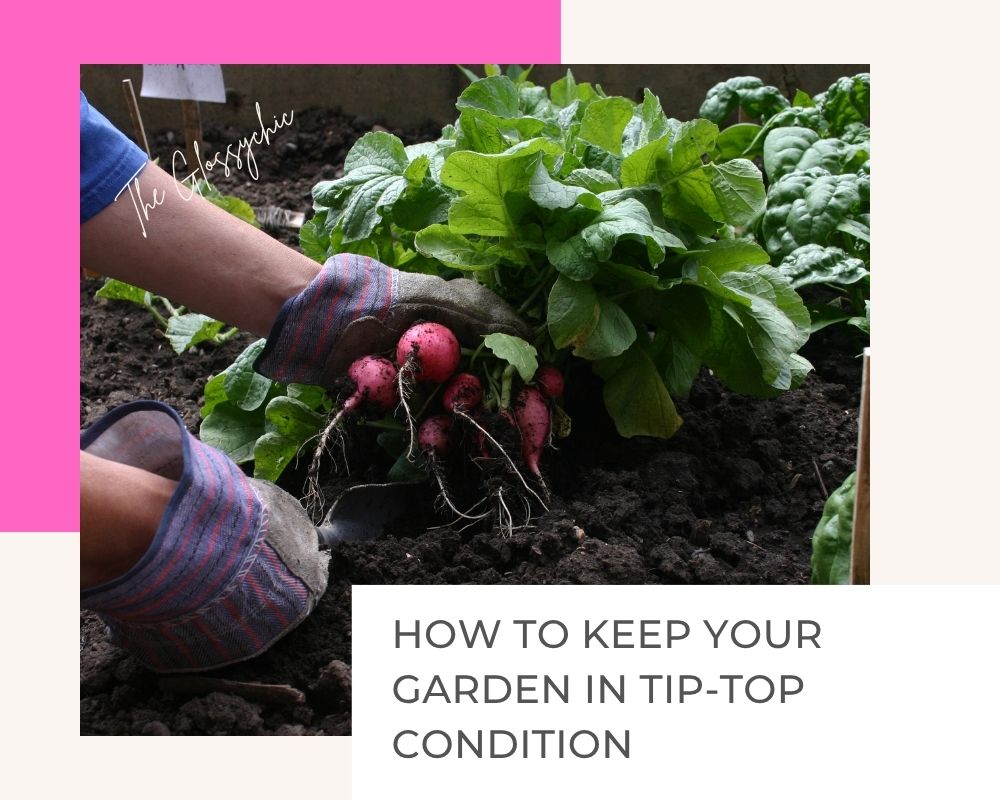
How to Keep Your Garden in Tip-Top Condition
Use Fully Composted Waste
If you’re making your own compost—fantastic. Composting is a brilliant way to recycle kitchen and garden waste into something incredibly useful for your soil. However, it’s important to understand that not all waste decomposes at the same rate. You should never use compost that hasn’t fully broken down.
Why? Because partially decomposed materials may still contain pathogens and weed seeds that can wreak havoc in your garden. These can introduce disease or unwanted plants into your carefully maintained beds.
A properly finished compost pile will have gone through high temperatures for extended periods, effectively killing off harmful bacteria and making it safe to use.
And remember, compost should be used intentionally and wisely. If you’re unsure whether your compost is ready or how to apply it, check out this guide on being used correctly.
Be Aware of the Bugs
Insects can be more than just a minor annoyance, they can do some real damage to your plants. The effects go far beyond a few chewed leaves. Many viruses and harmful bacteria need an opening in the plant to take hold, and insects are usually the ones responsible for creating those wounds. Even worse, some bugs carry diseases themselves, spreading them from plant to plant as they move about your garden.
While it’s unrealistic to aim for a bug-free garden (and not all bugs are bad), it’s crucial to stay vigilant. The best approach is early detection. Regularly inspect your plants, especially the underside of leaves and around new growth. If you catch infestations early, you can often manage them with minimal impact on your plants. So always make sure you keep your eyes open for any pests.
Use the Correct Fertiliser
Fertiliser can be your garden’s best friend but only if used properly. Using the wrong kind of fertiliser, or applying too much, can do more harm than good. One common mistake is over-fertilising, which can lead to the roots being “burned.” This damage hinders their ability to absorb water and nutrients, causing the plant to become stressed, especially in hot weather.
A stressed plant is far more vulnerable to pests and disease, whereas a well-fed, properly nurtured one is far more resilient. So read the label, understand what your plants actually need, and don’t overdo it.
Related Posts

Nurture the Right Insects
While it’s important to ward off pests, be careful not to wipe out the beneficial bugs along the way. Certain insects are actually your allies in the garden. Ladybugs, for example, are excellent at controlling aphids. Lacewings also feed on many of the bugs you don’t want, acting as a natural pest management solution.
Additionally, bees play an essential role in pollination. Keeping honey bees isn’t just about harvesting honey; it’s about supporting a healthy ecosystem. If you’re curious, consider keeping honey bees or at least planting pollinator-friendly flowers.
Did you know that without bees, many plants wouldn’t be able to reproduce? Their disappearance would not only threaten the balance of your garden but could also affect food production and global food security.
Prune Broken Limbs
Pruning isn’t just about aesthetics, it’s about health. When pruning, always use sharp, clean tools to ensure a precise cut. This promotes faster healing and reduces the risk of infection or disease spreading through torn or jagged wounds.
Make sure to prune back to healthy, living tissue so that the plant has a strong base from which to regrow. And under no circumstances should you snap or tear branches by hand. This will only cause further damage and can prevent the plant from recovering at all.
Water Properly
Every garden needs to be watered, not just the flowers and plants, but the lawn too. However, how you water matters just as much as how often.
Lawns usually only need a light spritz, especially in the early morning or late afternoon when evaporation is lower. Plants, however, require a bit more care. Avoid wetting the foliage, as this creates the ideal environment for fungal diseases to thrive. Instead, direct water straight to the base of the plant, focusing on the roots.
If necessary, gently lift the leaves out of the way so that you can water efficiently. Investing in a soaker hose or drip irrigation system can help manage this process with ease and efficiency.
Don’t Crowd Plants
When planting, spacing is everything. Crowded plants compete for sunlight, water, and nutrients, and can also create microclimates that are damp and poorly ventilated, ideal conditions for disease to spread.
If you’re planting from seed, try to visualise how big the plant will become and how it will spread. Leave enough room for each plant to thrive without suffocating its neighbours. If things have already gotten a bit too snug in your garden beds, you may need to cut back some plants or even remove a few altogether to maintain a healthy balance.
Get Some Help
Sometimes, maintaining a beautiful garden is more work than one person can handle. And that’s okay. There’s absolutely nothing wrong with asking for help, especially if you’re dealing with overgrown trees, stubborn weeds, or pest infestations that won’t go away.
Companies like ABC Home & Commercial offer a wide range of services, from routine garden maintenance to more specific issues. Whether you need someone to prune trees, treat your lawn, or give advice on pest control, calling in a professional can save you time and stress. It’s not cheating—it’s just being smart with your time and energy.
Final Thoughts
Summer should be a time for relaxation, celebration, and enjoying the simple pleasures of life—like the smell of fresh-cut grass, the sight of blooming flowers, and the feel of warm sunshine on your skin. By taking a little time now to prepare and maintain your garden, you’ll ensure it remains a beautiful and welcoming space all season long.
So grab your gloves, dust off your trowel, and get started. Your dream garden is just a few thoughtful steps away.

