

Is it time for you to embrace green living and start paying more attention to how you use energy?
In truth, it’s about time for pretty much everybody to start doing more of that. You don’t want to be the person that’s responsible for damaging the planet more than it already is being damaged.
With the effects of climate change becoming more visible with each passing year, we all need to start taking more responsibility for our environmental impact.
And the truth is, we all make an impact and have a carbon footprint, no matter how insignificant you might see yourself as being. From the food you eat to the way you heat your home, everything adds up.
But the good news is that you don’t need to completely overhaul your life to make a difference. Small, mindful changes can go a long way, especially when many people are making them collectively.
The good news is that making positive changes in this area doesn’t even necessarily have to be a difficult thing. You don’t have to live in a log cabin off-grid to be considered eco-conscious.
There are simple, effective steps you can take from the comfort of your own home that will both help the environment and, as an added bonus, save you money in the long run.
It’s more than possible for you to adopt a greener way of living without spending much money, and you’ll even save quite a lot of it over time.
It makes sense from pretty much every angle you could name – financially, ethically, and practically – so you really have no excuses for not pushing ahead with a few eco-friendly upgrades.
Of course, any major change in life can be difficult to get started with, so if you’re not really sure where to begin, this guide will quickly point you in the right direction.
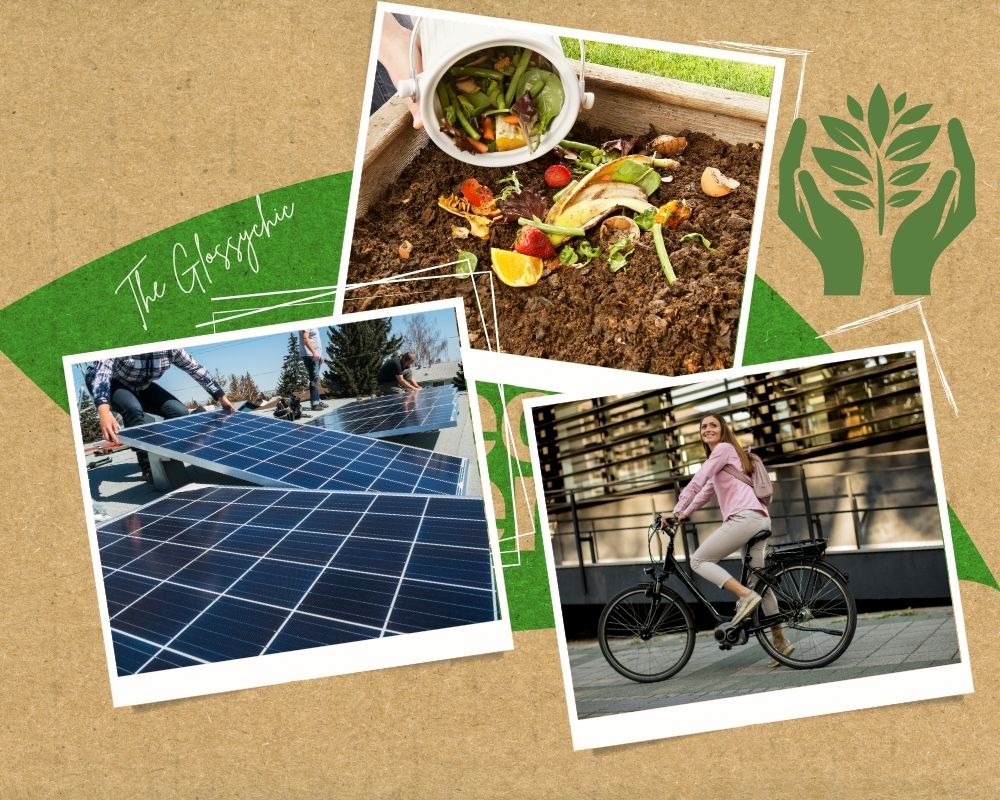
Easy Ways to Go Green at Home
Create Your Own Compost
Creating your own compost is actually a lot easier than you might think. There are plenty of guides out there on the internet for you to make the most of, catering to beginners and experienced gardeners alike.
For the most part, you simply need to make use of your food waste and store it in a composter in your garden.
You can compost things like fruit and veg scraps, coffee grounds, eggshells, and even cardboard or paper towels.
This is definitely a green move because you’re not only directly recycling waste but also using your own compost rather than buying it from a store, cutting down on packaging, transport emissions, and cost.
Home-made compost enriches your soil, reduces the need for chemical fertilisers, and keeps biodegradable waste out of landfills. All in all, it’s one of the most natural and rewarding things you can do.
Invest in Solar Panels
This might seem like a big investment for you to make, but you shouldn’t rule it out until you’ve thought of the long-term benefits solar panels can bring.
For a start, you won’t be quite so reliant on the energy companies that keep you tethered to terrible deals.
With rising energy bills and fluctuating tariffs, energy independence is becoming more valuable than ever. Solar panels give you the ability to generate your own electricity using the power of the sun, something that’s free and renewable.
On top of that, you will have access to energy that’s more or less free once your solar panels have been installed. In the long run, you’ll end up saving far more than you spend.
Many governments even offer incentives, grants, or feed-in tariffs, making solar more accessible. And the planet will thank you too, since solar energy doesn’t emit greenhouse gases or harmful pollutants.
Choose Durability to Reduce Waste
We’re all guilty of buying too many things that are simply disposable. Fast fashion, single-use plastics, flimsy gadgets, it doesn’t have to be this way. Reducing your waste is all about using items that can be used time and time again, rather than just throwing items away after a single use.
For example, you should invest in a strong and sturdy drinking bottle so that you don’t end up replacing them all the time and creating waste.
The same should apply to the clothes you buy. Choose quality over quantity. Look for timeless, durable pieces instead of trend-driven, cheaply-made items. Not only will you reduce waste, but you’ll probably end up with a more practical and versatile wardrobe too.
Related Posts


Replace Your Old Windows
If you have old windows that are clearly past their best, you should have them replaced sooner rather than later. That’s because you’ll want to make sure that the windows don’t increase your energy usage by allowing heat to escape from the home too easily.
Poor insulation forces your heating system to work harder in winter and your air conditioning to overcompensate in summer. That can cost you a lot of money if you’re not careful. Window replacement could be just what you need.
Modern windows will be tightly sealed, often double- or triple-glazed, and able to prevent much of that heat loss. The initial investment can be offset by noticeable reductions in your energy bills, not to mention increased comfort inside the home.
Seek Out and Destroy Useless Energy Usages
Everyone wastes energy in various ways, and you might not even realise how you’re doing it.
For example, you might leave your electronic items on standby when you’re out of the house or sleeping. This might not seem like such a big deal, but standby settings still use energy and probably more of it than you think.
Televisions, gaming consoles, microwaves and even chargers draw energy when not in active use. This phenomenon is often called “phantom load” or “vampire energy”.
You should think more carefully about how you’re wasting energy in this way. Start by unplugging devices or investing in smart power strips that automatically shut off power to devices when they’re not in use. You’ll soon be able to eliminate those wastages and the savings will add up quickly.
Get Into the Habit of Turning Off the Light When You Leave a Room
Simple things like not leaving lights on when they’re not being used will make a big difference to how you use energy in your home. One simple green move involves turning off the lights in the room you’re exiting.
If you’re not even in the room, why would you need to leave the light on? It’s just not needed, and it’s something that you should look to put right as soon as you possibly can. It’s such a minor change in behaviour but one that can have a significant impact, especially if everyone in your household gets on board.
You could also consider switching to LED bulbs, which are far more efficient and longer-lasting than traditional incandescent ones.
Insulate Your Hot Water Tank and Pipes
Insulating the water tank in your home and pipes that are connected to it will save you a significant amount of money each year. It’s something that pays for itself as soon as the winter comes around, so make sure you get this in place as soon as you possibly can.
When your hot water tank and pipes are properly insulated, they lose less heat, meaning your boiler or heating system doesn’t need to work as hard. Insulation is cheap and it will also stop you from experiencing the headache of frozen pipes once the temperatures drop.
Share With Those Around You
Sharing is a great way to stop yourself from buying more stuff that you don’t really need. Share products and items with those around you. If you need to use a lawnmower, you could borrow it from the neighbour.
And in return, they can borrow things they need from you? It doesn’t make sense for 50 people living on the same street to have one each of every item out there. Creating a local sharing network not only builds community but also cuts down on unnecessary production and waste.

Get Back on Your Bike for Short Journeys
Short journeys can be taken in various ways, so why do so many of us simply jump in the car? Probably because it’s easy, but that doesn’t really make it right.
Wasting fuel and polluting the environment when you could just as easily walk or hop on your bike really doesn’t make sense. You’ll not only save money on fuel but also get some exercise, which has to be a good thing for you.
Cycling is often faster than you think for short urban trips, and with growing cycle lane networks, it’s becoming safer and more convenient too.
These days, green living isn’t really a fringe or niche interest; it’s something that lots and lots of ordinary people are doing. By taking more of an interest in it and making the most of the tips and ideas that have been mentioned here, you’ll soon find yourself saving money and energy, as well as living a much greener life.
And remember, every little helps. You don’t have to be perfect, just be willing to take the next step. The planet (and your wallet) will thank you for it.

