
Silver has been used to make fine jewellery almost since time began. From ancient civilisations to modern designers, this versatile and naturally beautiful metal has always been prized for both its appearance and its value.
Today, silver comes in many forms, most commonly pure silver and sterling silver, and while the terms are often used interchangeably, they are actually very different materials.
If you are new to the mysterious world of silver, understanding these differences can save you money, prevent disappointment, and help you make better purchasing decisions.
Below, we break down the basic distinctions between pure silver and sterling silver, how they are used, and what you should be aware of when buying silver jewellery.
Table of Contents
What Is Pure Silver?
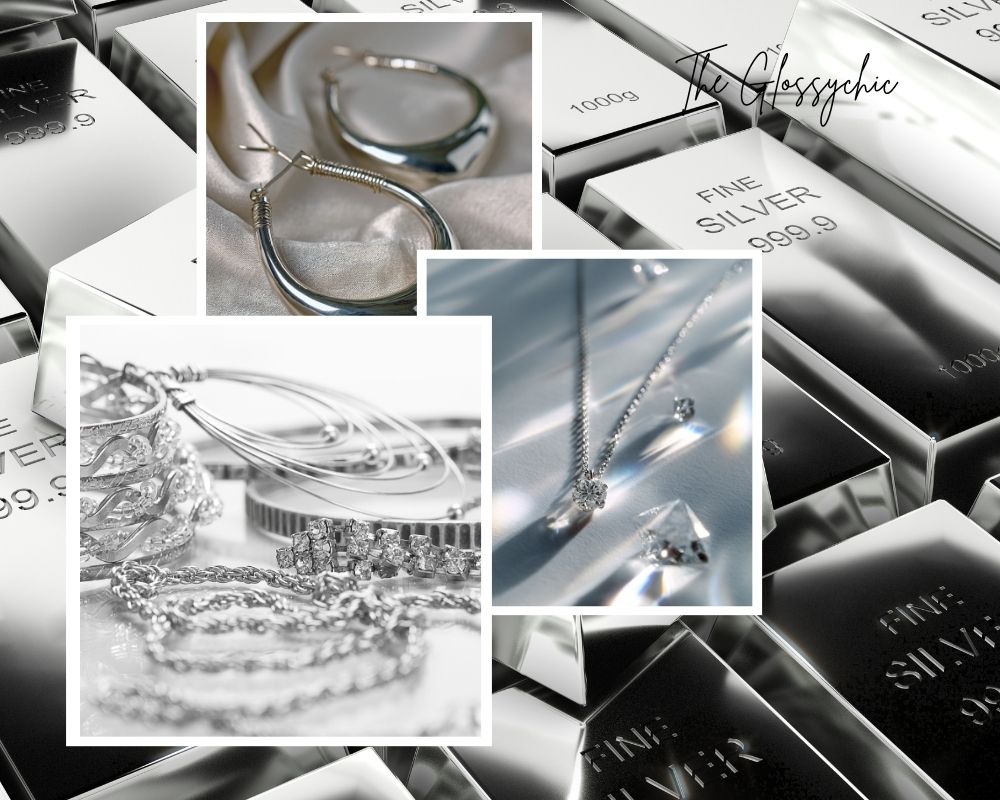
Pure silver, also known as fine silver, has an exceptionally high purity level of 99.9%. This makes it one of the purest precious metals available on the market today. However, while this level of purity may sound ideal, it actually comes with a significant drawback.
Pure silver is extremely soft. Because of this, it is unsuitable for making most types of jewellery, especially pieces intended for everyday wear. Rings, bracelets, earrings, and chains made from pure silver would bend, scratch, or lose their shape far too easily.
As a result, fine silver is primarily used in the production of pure silver ingots and bullion. These are typically bought and sold by investors and speculators who are interested in silver for its intrinsic value rather than its practical use.
Although pure silver contains only a minute amount of impurities, it is virtually impossible to remove them entirely. No matter how refined the process, trace elements will always be present.
Fine silver is usually hallmarked with “999”, “99.9”, or “.999”. These markings indicate how much silver the item contains per thousand parts. There are several recognised silver standards used globally, all of which exist to help buyers understand exactly what they are purchasing and to ensure transparency within the industry.

What Is Sterling Silver?
Sterling silver is made up of 92.5% pure silver, with the remaining 7.5% consisting of other metals, most commonly copper. This combination significantly improves the metal’s strength and durability without compromising its appearance.
Because of this balance, sterling silver is the preferred choice for jewellery making. It is strong enough to withstand daily wear, yet still retains the unmistakable lustre and elegance that silver is known for.
Most silver jewellery available today is made from sterling silver, including items such as silver hoop earrings that can be found at Silver By Mail, one of the UK’s leading online sterling silver jewellery retailers. Sterling silver allows jewellers to create intricate designs while ensuring the finished piece lasts for years when properly cared for.
What Does “Sterling Silver Plated” Mean?
Sterling silver plating is an area where many buyers become confused, and understandably so. An item described as sterling silver plated is not actually made from sterling silver.
Instead, the base of the item is usually a different metal, such as copper or nickel, which is then coated with a thin layer of sterling silver. While this gives the appearance of solid silver, the coating can wear away over time, revealing the base metal beneath.
This type of jewellery is generally far less valuable and less durable than solid sterling silver. Although silver plated items can be suitable for occasional wear or fashion jewellery, they are not ideal if you are looking for something long-lasting or meaningful.
Sterling Silver: US vs European Standards
While sterling silver is generally recognised as being 92.5% pure, there are slight differences in how the term is used across regions.
In the United States, any item marked “sterling silver” must legally contain at least 92.5% pure silver. This provides a level of reassurance for buyers, as the marking is tightly regulated.
In Europe, however, the term sterling silver can sometimes be applied more loosely. In certain cases, items with a lower silver content may still be marketed as sterling silver, even though they do not meet the traditional 92.5% standard. This can understandably lead to confusion, particularly for buyers purchasing jewellery online or from unfamiliar retailers.
What to Watch Out for When Buying Silver Jewellery
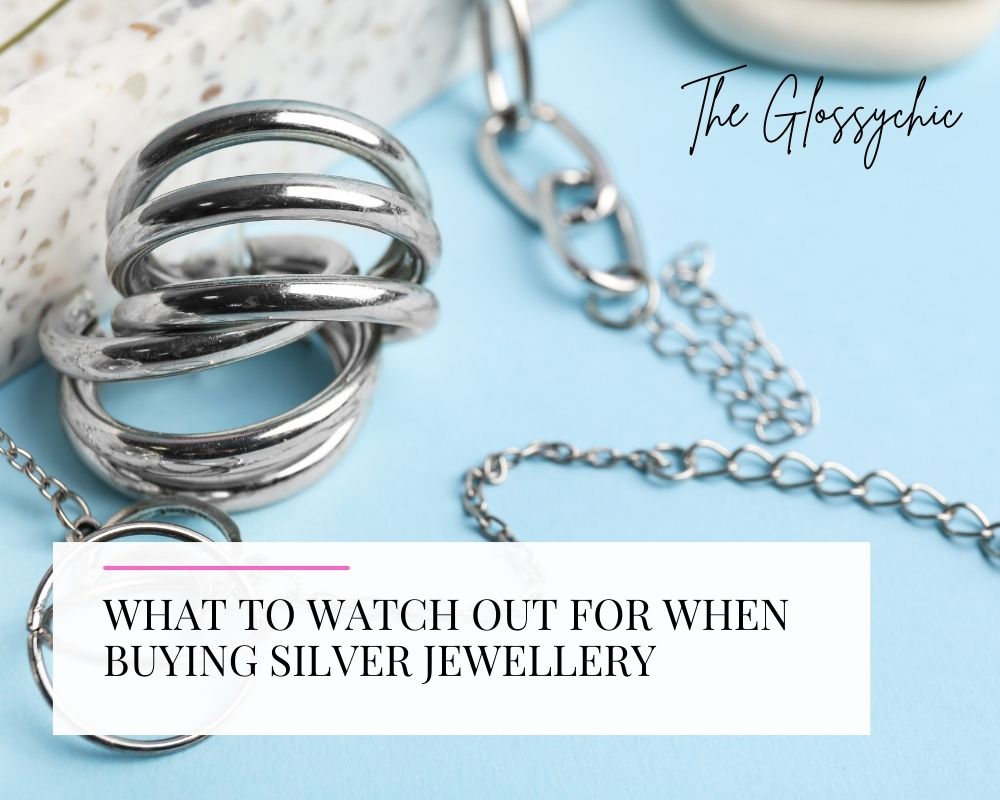
When purchasing silver jewellery, it is important to be cautious, especially if the price seems unusually low. Even if an item is hallmarked “sterling silver”, its actual purity may be less than expected, or it may be silver plated rather than solid silver.
This is not necessarily done with malicious intent, but it does place the responsibility on the buyer to ask the right questions. Ideally, a fine item of sterling silver jewellery should be made entirely from sterling silver, not merely coated.
Unless you are buying from a trusted jeweller, it is always wise to enquire about the exact make-up of the piece you are considering. Reputable sellers will be transparent about their materials and happy to explain their products in detail.
Why Sterling Silver Is Best for Jewellery
Sterling silver is widely regarded as the best form of silver for jewellery making. It offers the perfect compromise between beauty, strength, and affordability. When properly cared for, sterling silver jewellery can last a lifetime and even be passed down through generations.
Any jeweller selling sterling silver plated items should clearly state that the piece is plated and not solid sterling silver. This allows buyers to make informed decisions and avoid confusion or disappointment.
If you are looking for sterling silver jewellery for the love of your life, an online search will quickly lead you to reputable suppliers. After browsing the many fine items available, you can make your selection with confidence. With secure online payment and reliable delivery, your chosen piece can be dispatched directly to your home address, ready to be worn or gifted.


I had no idea about the difference! thanks for sharing!
Hope that your week is off to a good start 🙂
http://awayfromtheblue.blogspot.com.au