
Decorating a child’s room and an adult’s room are two very different things. While an adult’s bedroom is usually designed to feel calm, restful, and perhaps a little sophisticated, children love to have fun, and they thrive on imagination, colour, and creativity.
Therefore, it’s critical that all these wonderful qualities are reflected in their rooms. Their bedroom should feel like a safe space, a place where they can play, dream, and express who they are without limits.
In This Article
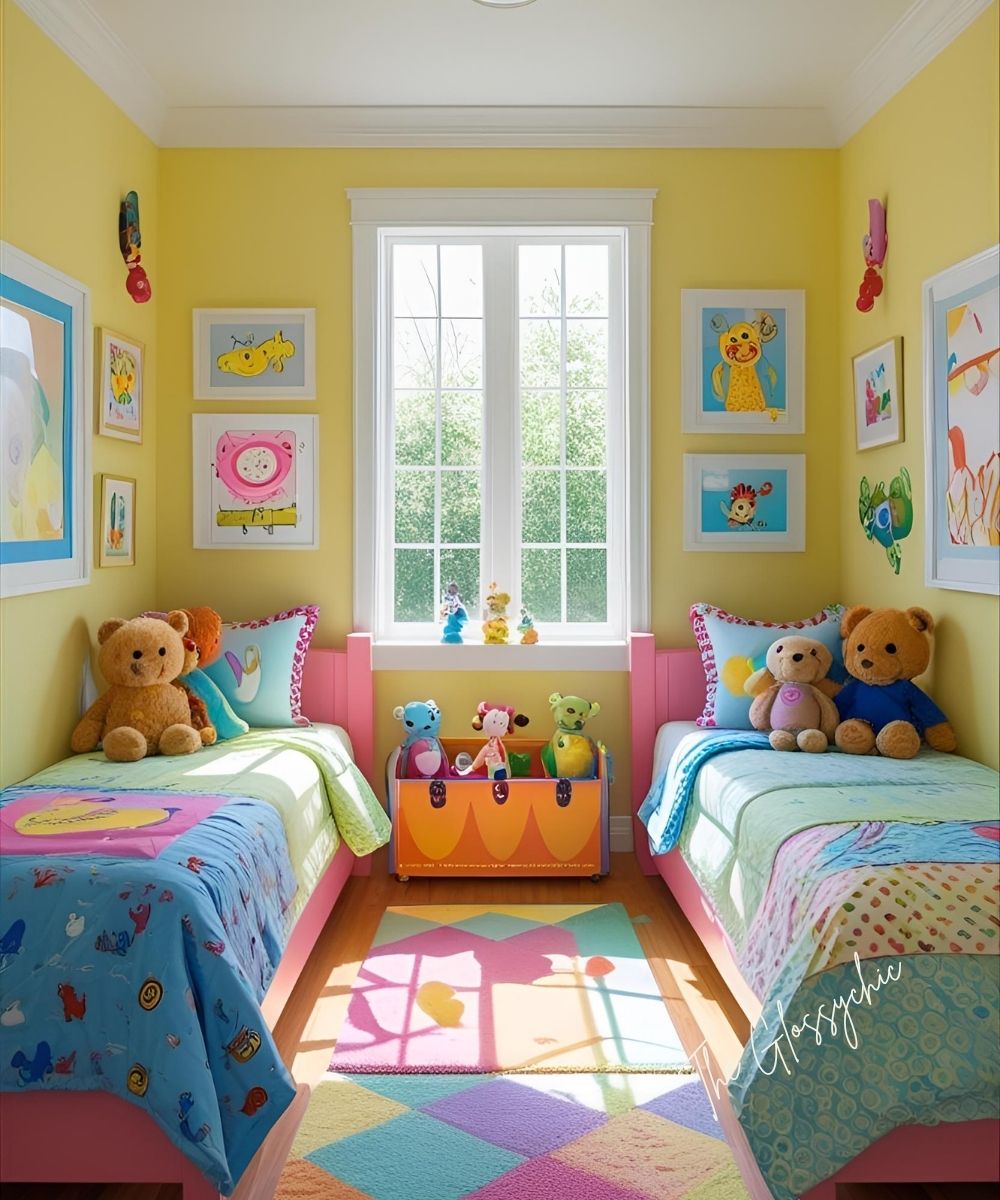
One of the simplest ways to create a playful, vibrant environment is by using colourful wallpaper and displaying artwork on their walls. A bright mural, a fun pattern, or even simple polka dots can instantly make the room feel lively and full of character.
Art prints, posters of their favourite films or books, or framed photos of the family are all great ways to inject personality into the space.
One important thing to keep in mind, though, is that children’s tastes change very quickly. Your youngster might be completely fascinated by Spongebob Squarepants throughout the summer, but by the time winter arrives, he may have developed a new obsession with PJ Masks or superheroes.
As a result, when decorating a child’s room, it’s best to avoid permanent fixtures that can’t be altered easily. For example, painting a huge mural of a specific character on the wall might feel like a great idea now, but in six months’ time, you could find yourself re-painting the entire room.
If you’re going for a themed room, try to use elements that can be updated or removed without much hassle, like bedding, rugs, wall decals, and accessories.
How to Create a Shared Children’s Bedroom
With shared children’s bedrooms, you must ensure the space is decorated in a way that will appeal to both children. This can sometimes be tricky to accomplish, especially if they have completely opposing tastes or personalities.
One child might love dinosaurs and adventure, while the other prefers fairies and pastel colours. Finding a balance that makes both of them feel included is key.
When it comes to designing your children’s shared bedroom, you have a wide variety of styles and colour palettes to choose from. You can even come up with clever solutions to create enough space for your children to play together comfortably.
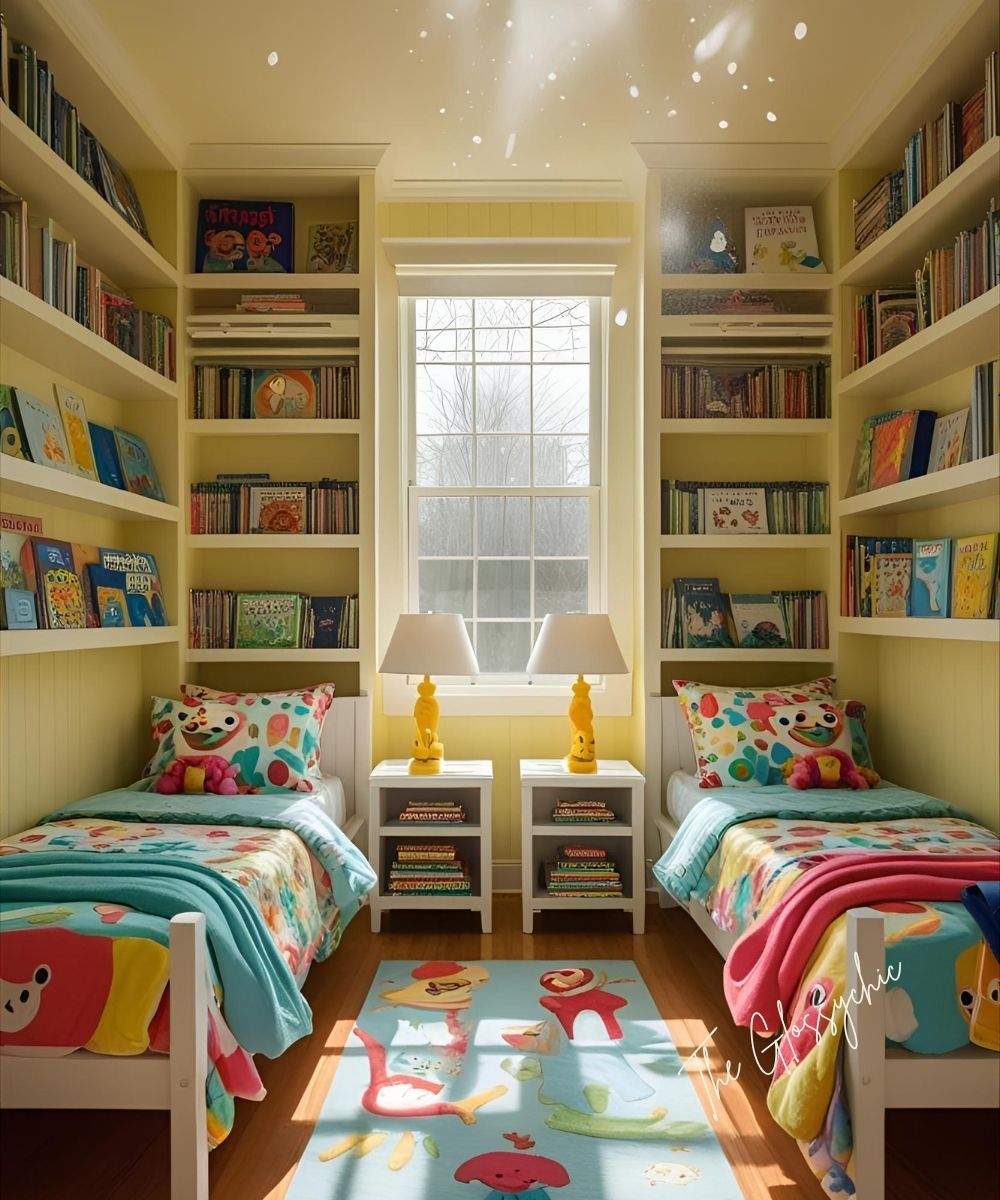
Storage is always important in children’s rooms, but it becomes absolutely essential in a shared space. Think under-bed drawers, tall bookshelves, and built-in wardrobes to avoid clutter.
Using wood panelling or playful wallpaper is an excellent way to make a shared room feel trendy and exciting. A timber accent wall can be painted in colours each child likes or kept neutral for a timeless backdrop. You could also incorporate decals or removable wall stickers to keep the look fresh as their interests evolve.
Having a shared room can also help your children bond. Sharing a space encourages cooperation, empathy, and communication skills.
Of course, designing a shared bedroom for boys only or girls only can sometimes be simpler than designing a room for siblings of different genders, but remember that there is always a way to find something for everyone.
Here are some great ideas to help you design a shared children’s bedroom that works for both children and feels special to each of them.
How to Design a Shared Children’s Bedroom for Boys and Girls
When you’re decorating a shared bedroom, each child naturally wants to see something they love in the space to feel it’s truly theirs. Even though the room is shared, it’s still important to carve out a sense of ownership and individuality for each child. It can feel overwhelming trying to please both, but don’t panic, there are ways to mix things up so everyone is happy.
One of the simplest solutions is to divide the space visually. This doesn’t mean you must build a partition wall; instead, you can use colour to set out each child’s zone in the room.
Choose a Colour for Each Child
Most children have a favourite colour that they’d love to see in their room. If you’re not sure what colours they prefer, simply ask. You might be surprised at how decisive they can be about their favourite shades.
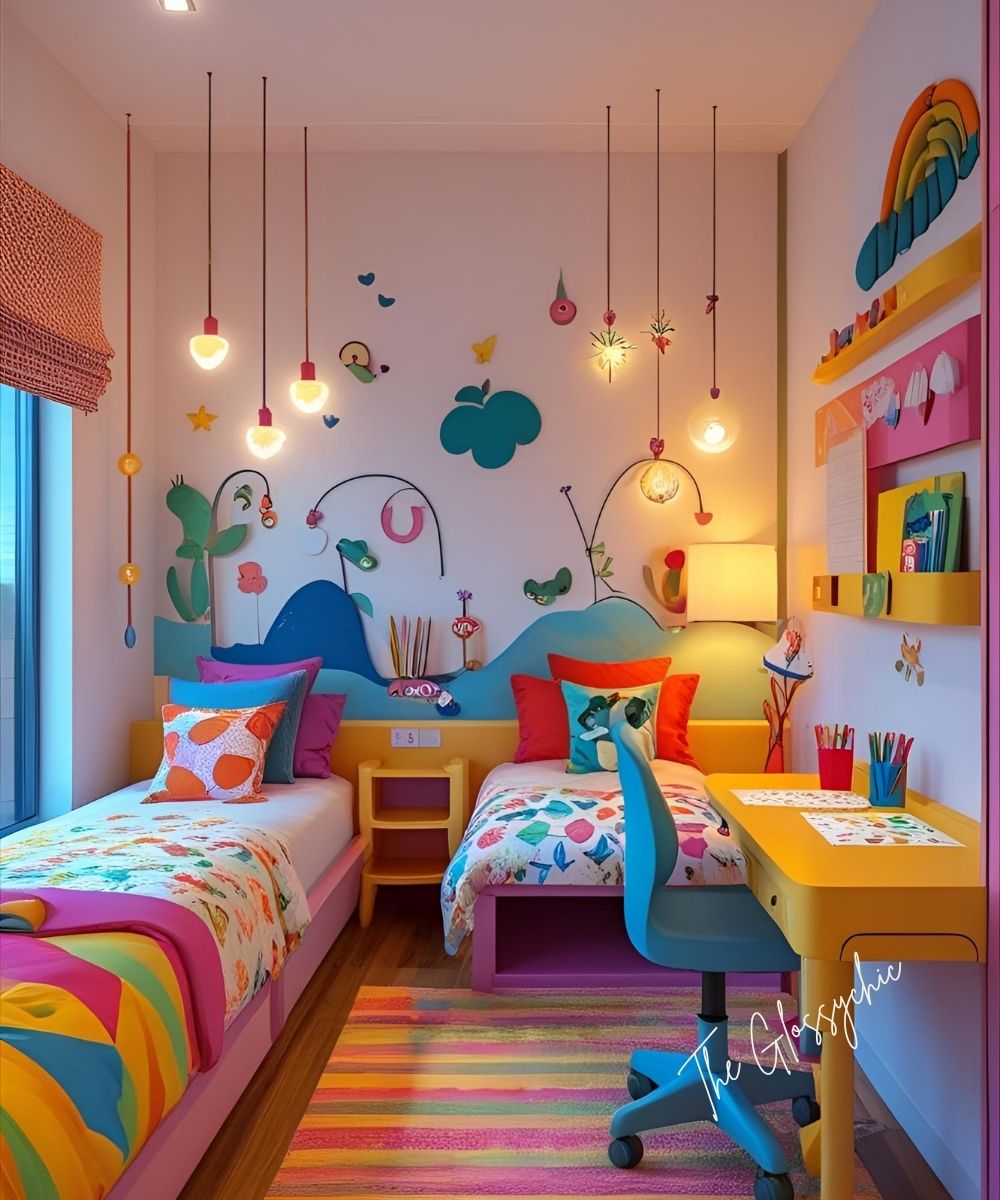
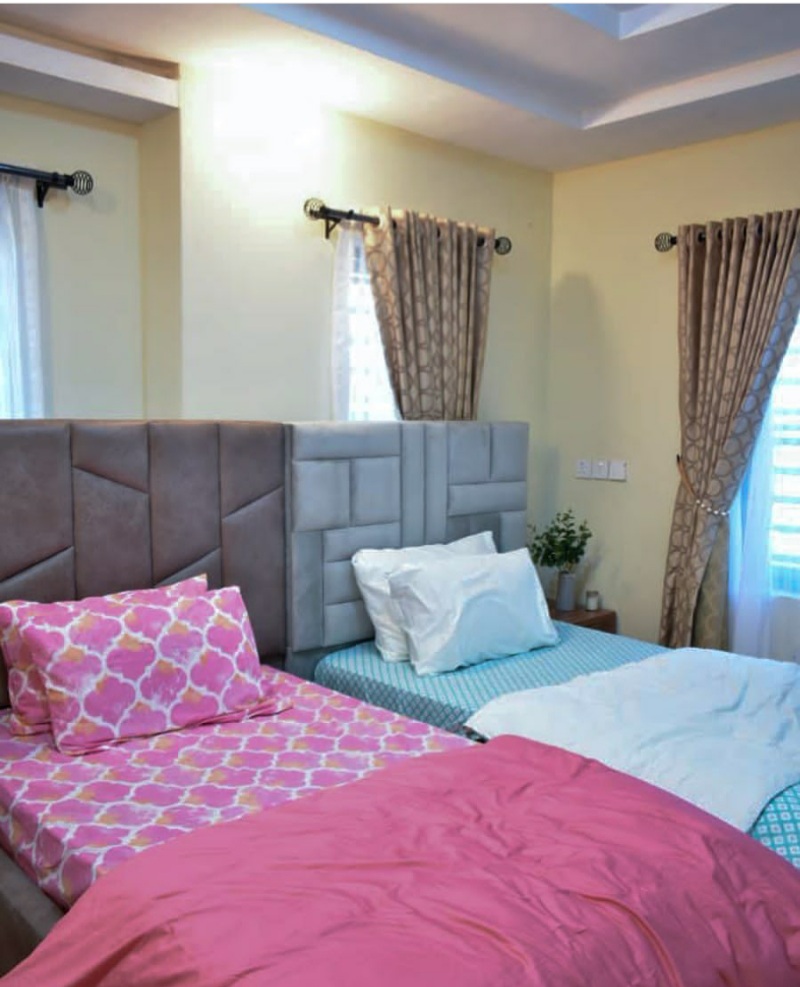
Painting one side of the room in one child’s favourite colour and the other side in the second child’s choice is an easy and fun way to incorporate their personalities. If you prefer, you can use wallpaper or murals instead of paint.
You could also select bedding that reflects each child’s tastes, maybe one has dinosaur sheets while the other has unicorns or stars. Personalised bedding can help clearly define each child’s area in the room and make them feel valued.
Go for Bunk Beds
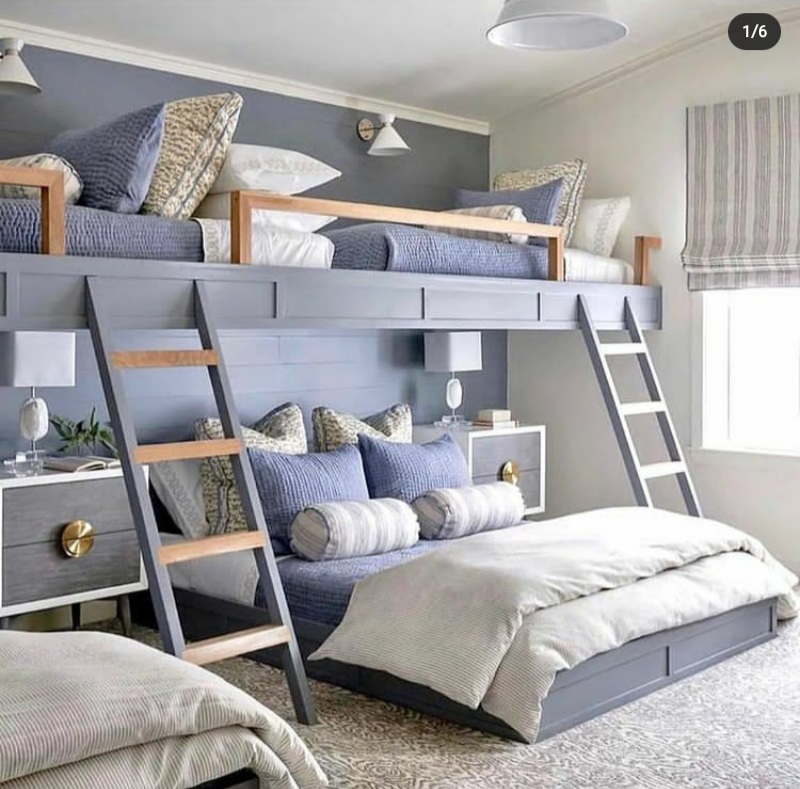
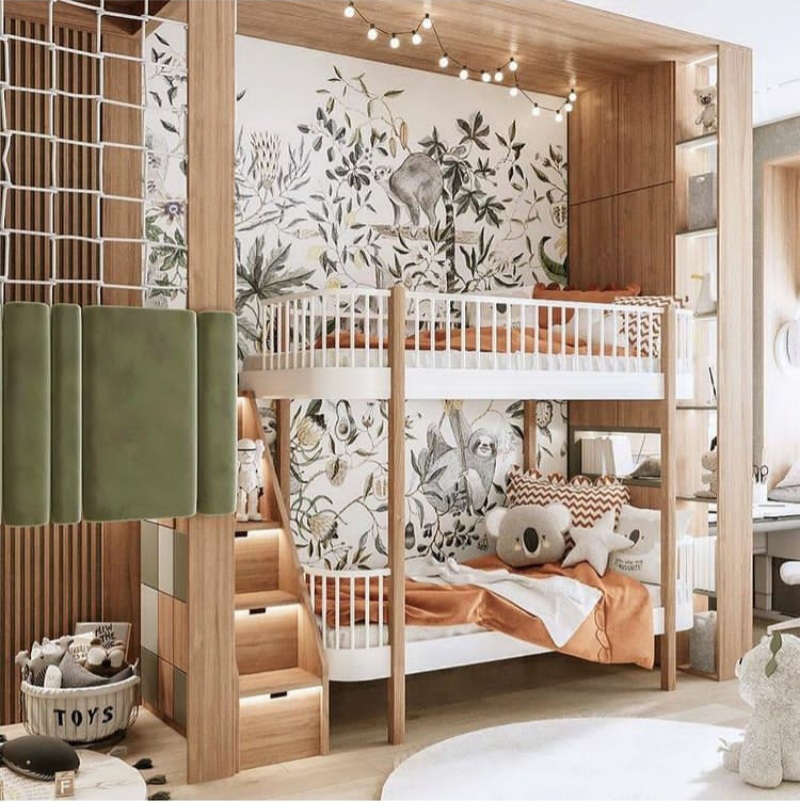
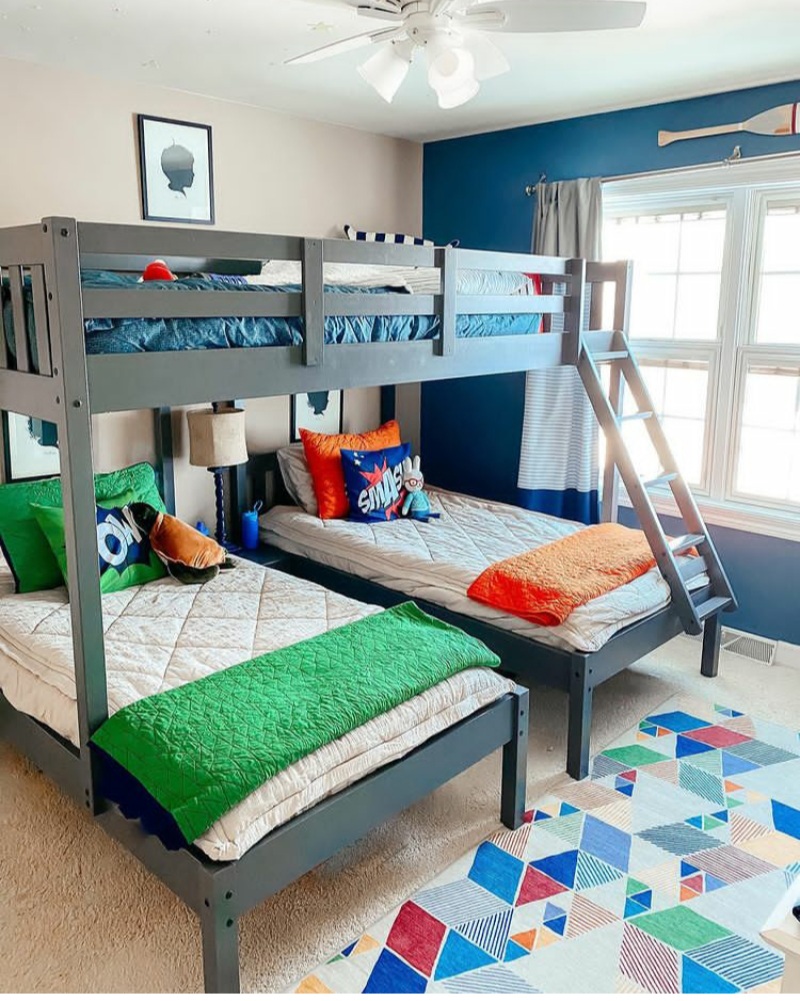
When arranging a shared room, bunk beds are always a fantastic option. Not only do they save floor space, but they also feel like an adventure. Many children love the idea of climbing up to the top bunk, it’s almost like having their own private fort.
If you choose bunk beds, make sure you involve the children in deciding who sleeps on the top and who prefers the bottom. That way, both feel included in the decision-making process, and it avoids unnecessary squabbles later on.
Use Neutrals to Create Balance
Sometimes, picking individual colours feels too complicated, or perhaps you want to avoid the risk of the children outgrowing their favourite shades too quickly.
In that case, you can choose neutral colours like white, beige, soft grey, or cream as your base. Neutral walls and furniture create a calming backdrop that can be easily updated with colourful accessories, bedding, and wall art.
Using neutrals also helps keep the space feeling cohesive, especially if the children’s tastes are very different. You can then allow each child to add their own accents, like a colourful throw blanket, artwork, or cushions to showcase their unique style.
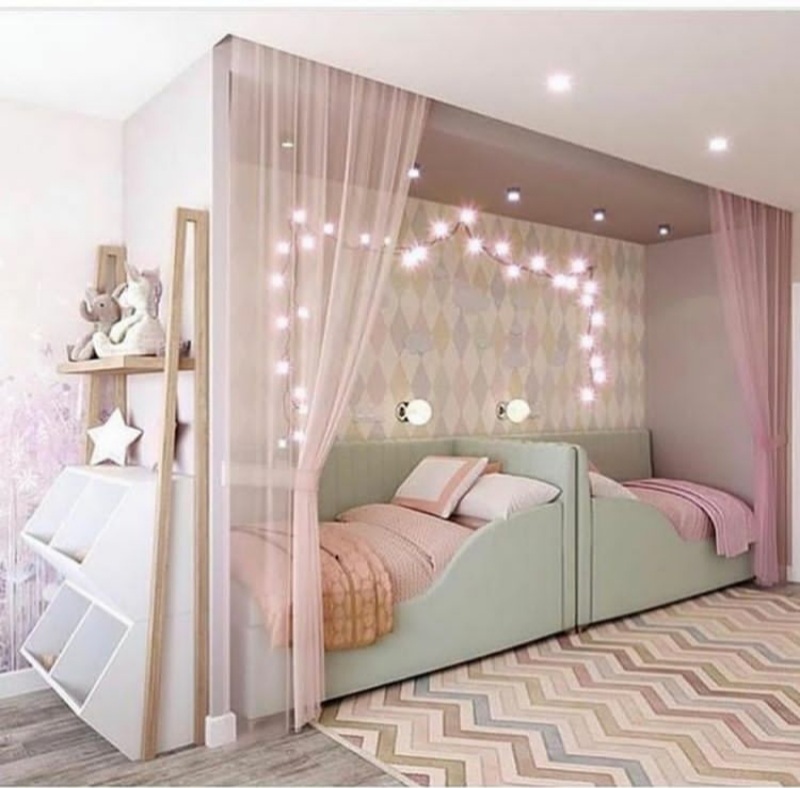
How to Design a Shared Children’s Bedroom for Girls Only
If your children are both girls, designing their shared bedroom is often a little easier because they might naturally gravitate towards similar themes. However, don’t assume that just because they’re both girls, they’ll always like the same things. Each child is unique and has their own personality and preferences.
To avoid disappointment, always involve them in the planning process. Ask them how they imagine their dream room and which elements are most important to them. Some girls might love soft pastels, fairy lights, and princess themes, while others prefer bright primary colours or more modern styles.
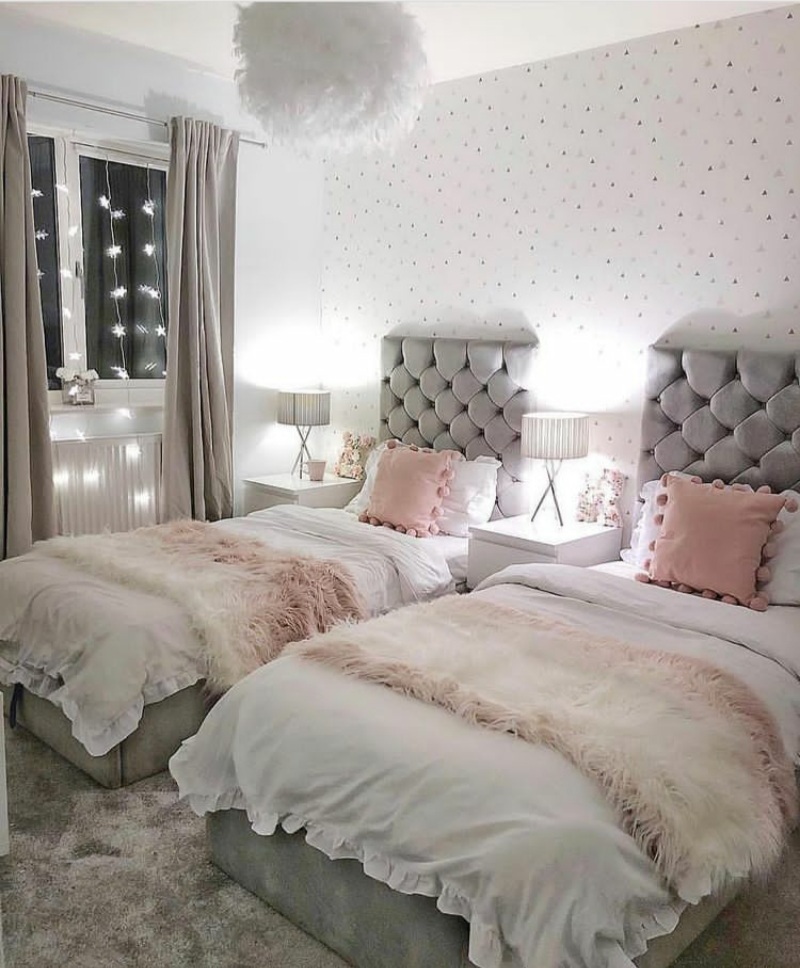
Make sure you create a room that feels charming, pretty, and comfortable. Use textiles and decor that feel soft and inviting. Think plush rugs, cosy blankets, and lots of cushions.
Make Use of Wall Art
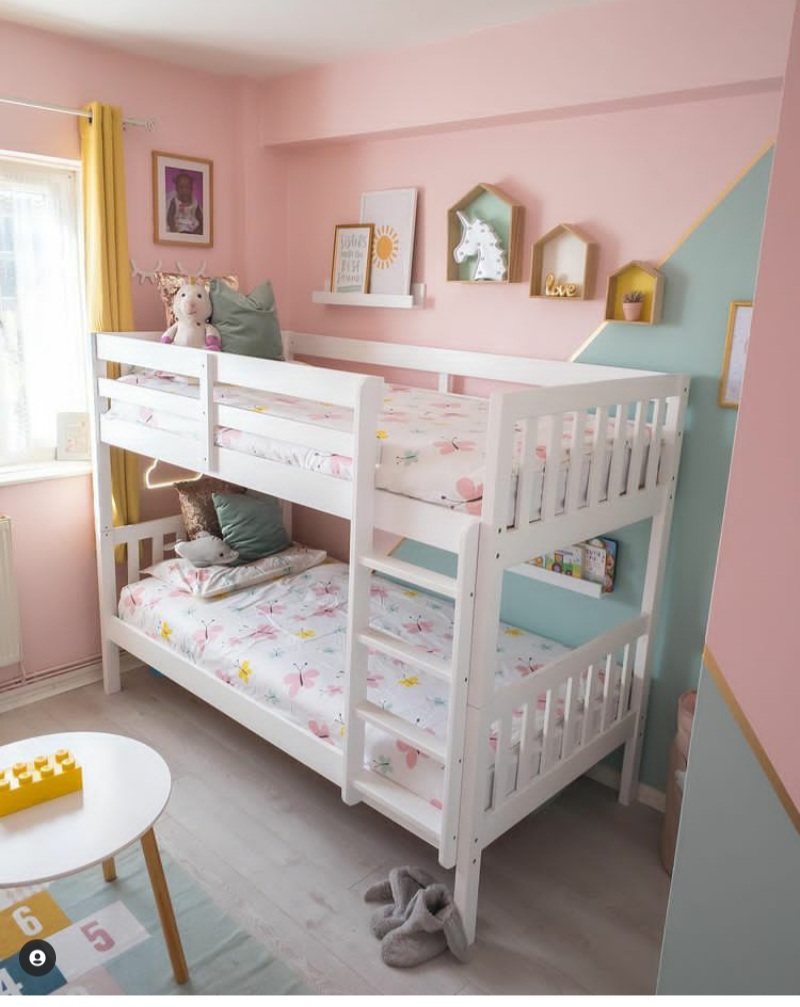
One excellent way to personalise a shared girls’ bedroom is through wall art. Floating shelves can display artwork, small plants, or treasured objects. Wall decals are another wonderful option.
Many beautiful designs are available, from floral patterns to inspirational quotes. Always choose decals that are removable, so they can be replaced as the children’s tastes change.
Encourage Uniqueness
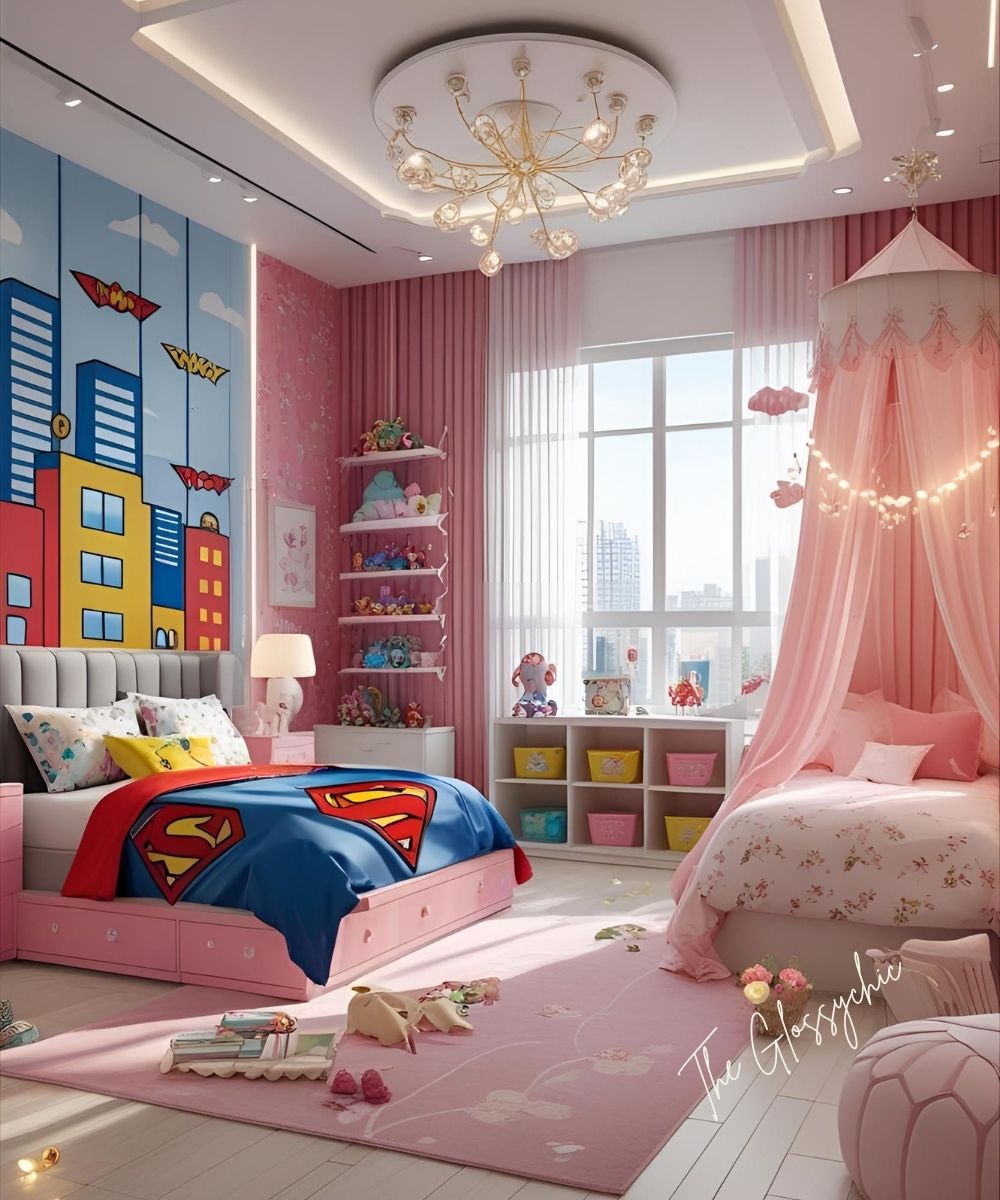
Even in a shared space, it’s vital that each child feels like they have room to express themselves. Allow them to decorate their own side of the room with personal touches. For example, one child could have a pinboard for their artwork and photographs, while the other might prefer hanging shelves to display favourite books and toys.
By giving them opportunities to show their creativity, you help build their confidence and make them feel that their ideas matter.
Related Posts
None found
Use Their Names in the Decor
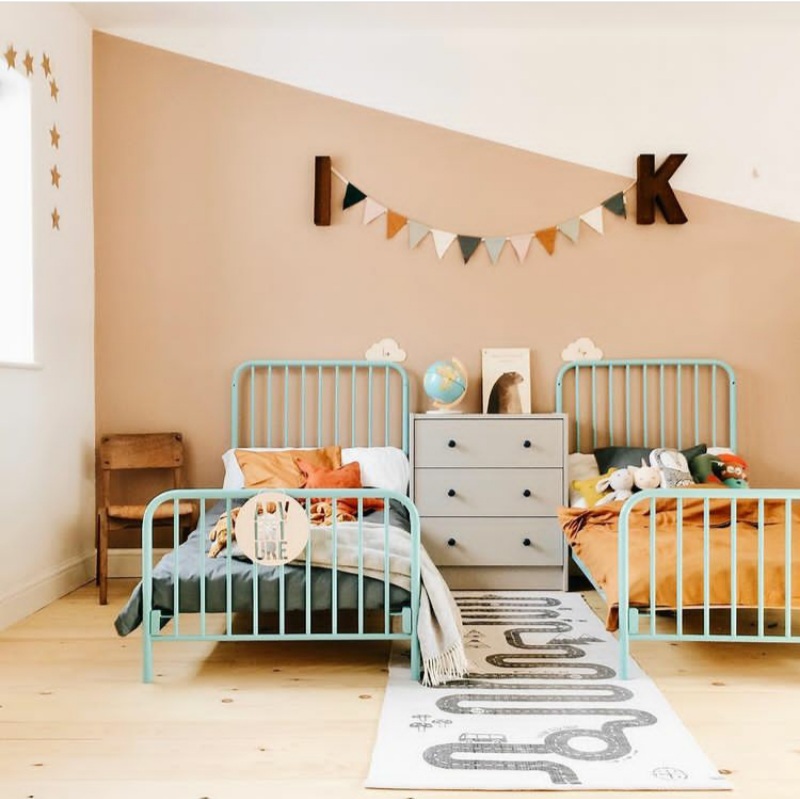
Personalising the space with their names is a lovely way to make each child feel special. You can use wooden letters, wall decals, or framed prints of their names above their beds. Personalised cushions, blankets, or storage boxes are also great touches that help define their space within the room.
How to Design a Shared Children’s Bedroom for Boys
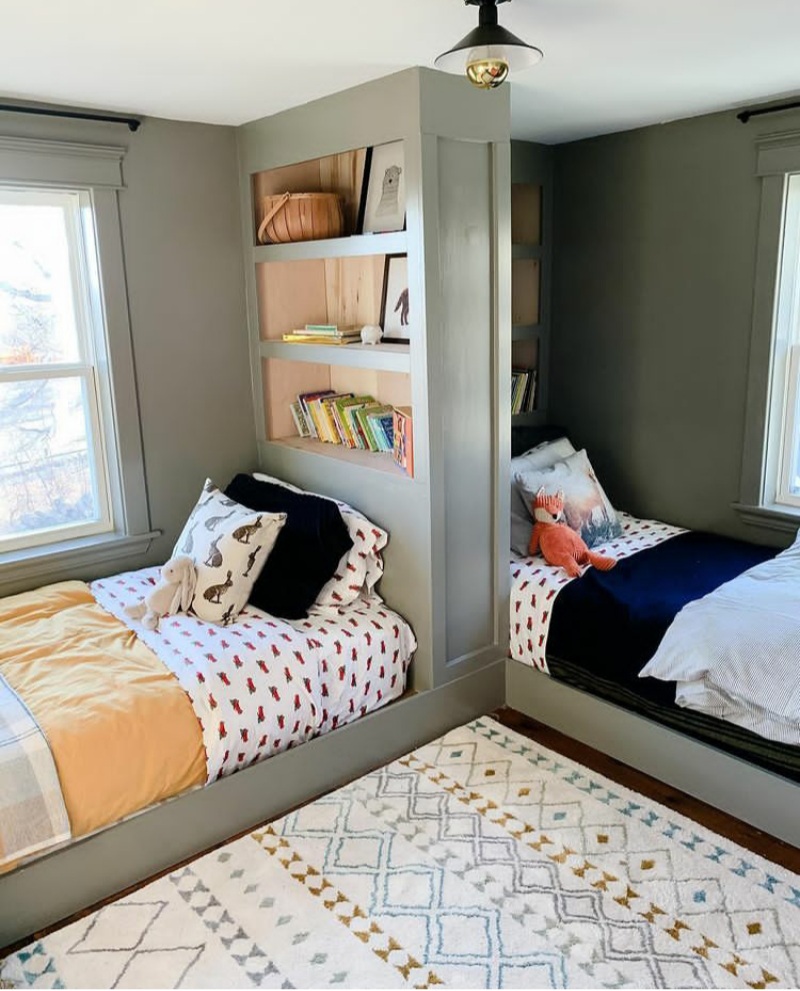
Designing a shared bedroom for boys can be incredibly fun. Just as with any shared space, it’s important to include each child before you begin decorating. Sit down with them and ask about their favourite hobbies, characters, or themes. Once you know what they love, you can find ways to incorporate those interests into the room.
Pick a Theme
Choosing a theme makes the design process easier and creates a sense of unity in the space. Some popular themes for boys’ rooms include superheroes, sports, pirates, jungle exploration, or outer space.
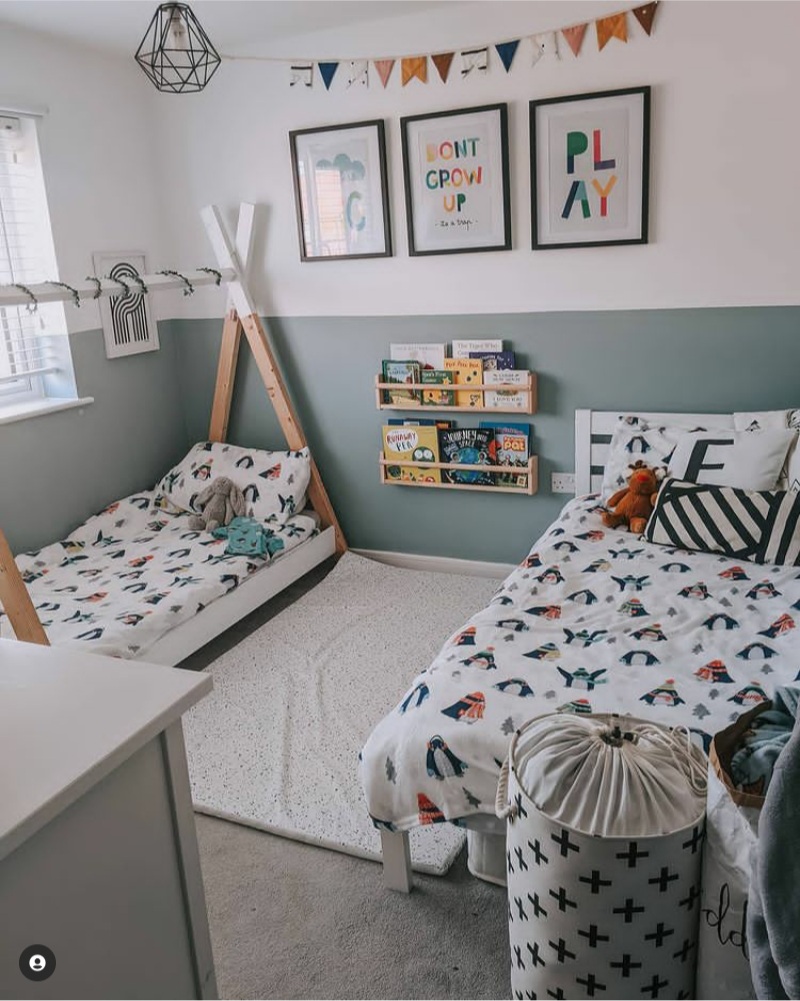
If you go with a theme, remember to keep large elements (like walls and furniture) relatively neutral or adaptable. Then, add themed accessories; bedding, posters, and rugs, that can be changed easily when they’re ready to move on to something new.
Decide on a Colour Palette
If you’re not keen on a specific theme, you can focus instead on a colour palette. Classic blues and greys work well, but don’t be afraid to add brighter pops of red, green, or yellow. Neutral tones can be balanced with playful accents in each child’s favourite colours to keep things lively without feeling overwhelming.
In the end, designing a shared children’s bedroom is all about balance, creativity, and listening to what makes your kids happy. When you involve them in the process and create a space that feels like their own, you’ll build not only a beautiful room but also wonderful memories they’ll cherish for years.